
This website uses cookies so that we can provide you with the best user experience possible. Cookie information is stored in your browser and performs functions such as recognising you when you return to our website and helping our team to understand which sections of the website you find most interesting and useful.
Language:
Mark Graham
Direktor
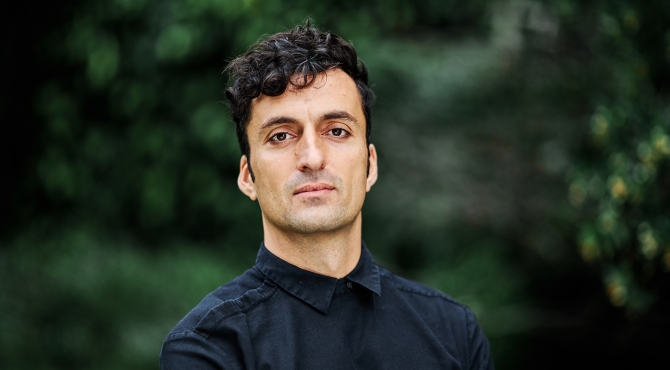
Professor Mark Graham ist Direktor der Fairwork Foundation. Darüber hinaus lehrt er Internet-Geografie am Oxford Internet Institute, ist Faculty Fellow am Alan Turing Institute, Senior Research Fellow am Green Templeton College und Associate an der Fakultät für Geografie und Umwelt der Universität Oxford.
Mark Graham hat bereits in den meisten wichtigen Zeitschriften für Geografie, Kommunikation und Stadtforschung veröffentlicht. Economist, BBC, Washington Post, CNN, Guardian und viele andere internationale Zeitungen und Zeitschriften haben über seine Arbeiten berichtet. Graham ist Mitglied der Redaktion Information, Communication, and Society, Geo: Geography, Environment and Planning A, Television and New Media, Global Perspectives und Big Data & Society. Hier finden Sie Mark Grahams Veröffentlichungen.
Die Forschungsarbeit von Mark Graham wird von bedeutenden Geldgebern wie dem Europäischen Forschungsrat, dem ESRC, der NSF, der British Academy, der GIZ und dem Leverhulme Trust finanziert. Im Rahmen seiner wissenschaftlichen Tätigkeit leitet er ein Team aus ForscherInnen, die sich mit „Wissensökonomien“ in Subsahara-Afrika, Digitaler Arbeit und Internet-Geografie beschäftigen. In den letzten Jahren hat Mark sich insbesondere mit den Auswirkungen befasst, die die neuen Formen der digitalen Arbeit sowie die Auslagerung von Aufgaben an Online-Freelancer für Arbeitskräfte im Globalen Süden haben.
Email: mark.graham@oii.ox.ac.uk